
High Thermal Insulation Film Technology and Applications

High Thermal Insulation Film Technology and Applications
1. Introduction to Low Thermal Conductivity Materials
Low thermal conductivity materials are porous structural materials with porosity levels often exceeding 90%. Due to their highly porous structure, the trapped and non-moving air within the material provides excellent thermal insulation and lightweight characteristics. In many cases, the thermal conductivity can be lower than 0.02 W/mK.
When these low thermal conductivity materials are incorporated into film applications, they can effectively reduce heat transfer through the film, improving thermal insulation performance and enhancing temperature retention capabilities.
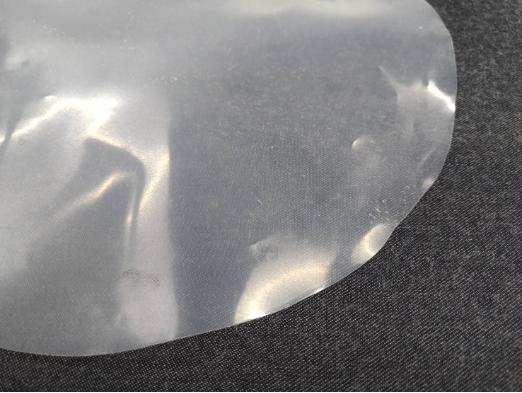
▲ High Thermal Insulation Film
2. Thermal Insulation Performance of High Thermal Insulation Films
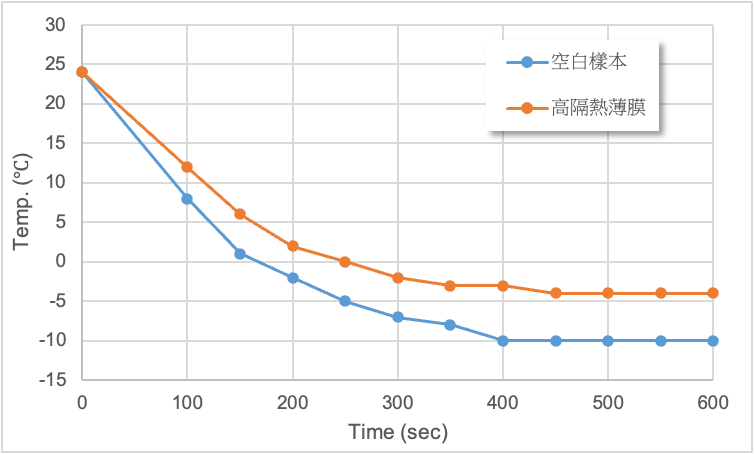
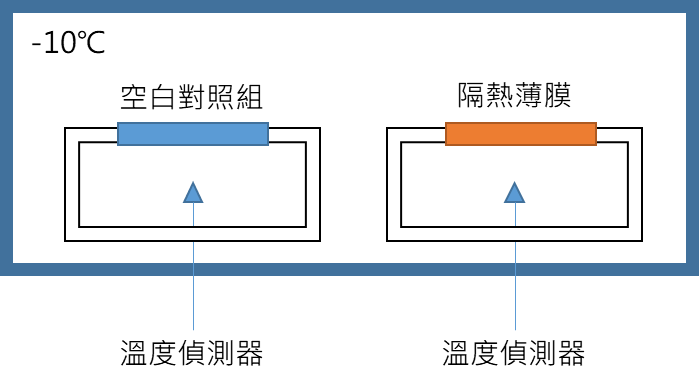
Through KCI’s functional masterbatch processing technology, low thermal conductivity materials have been successfully incorporated into plastic films. Comparative testing between thermal insulation films and standard film samples clearly demonstrates the insulation performance of the film under a -10°C environment.
First, the cooling rate of the high thermal insulation film is significantly slower than that of the control sample. Second, under the same testing duration, the internal temperature of the insulation film remains approximately 4–5°C higher than the standard film.
The primary reason for this improved performance is the highly porous structure of the low thermal conductivity material. The trapped air within the material effectively reduces heat transfer, resulting in slower temperature loss and improved thermal retention.
3. Applications of High Thermal Insulation Films
Diverse Applications of High Thermal Insulation Films:
- Textiles and Apparel: High thermal insulation films can be used in textile and apparel applications to provide thermal insulation and heat retention. Typical applications include insulated garments, winter jackets, thermal gloves, and other lightweight insulation solutions.
- Construction and Building Materials: High thermal insulation films are widely used in construction applications. They can serve as insulation layers, thermal barriers, and soundproofing materials to improve building energy efficiency and occupant comfort.
- Automotive Industry: High thermal insulation films can be used for both thermal and acoustic insulation in vehicles. They help reduce cabin noise, improve driving comfort, and minimize temperature fluctuations inside the vehicle.
- Electronics: High thermal insulation films can be applied in electronic devices for thermal management and protection. They can be used as insulation layers, protective films, and thermal barrier materials to enhance product performance and reliability.