
High Thermal Insulation Fiber Masterbatch Technology and Applications
High Thermal Insulation Fiber Masterbatch Technology and Applications
1.Thermal Insulation Principles and Applications in Fibers
Low thermal conductivity materials are porous structural materials with porosity levels often exceeding 90%. Because of their highly porous structure, the non-moving air trapped inside the material helps provide low thermal conductivity and lightweight properties. In many cases, the thermal conductivity can reach below 0.02 W/mK.
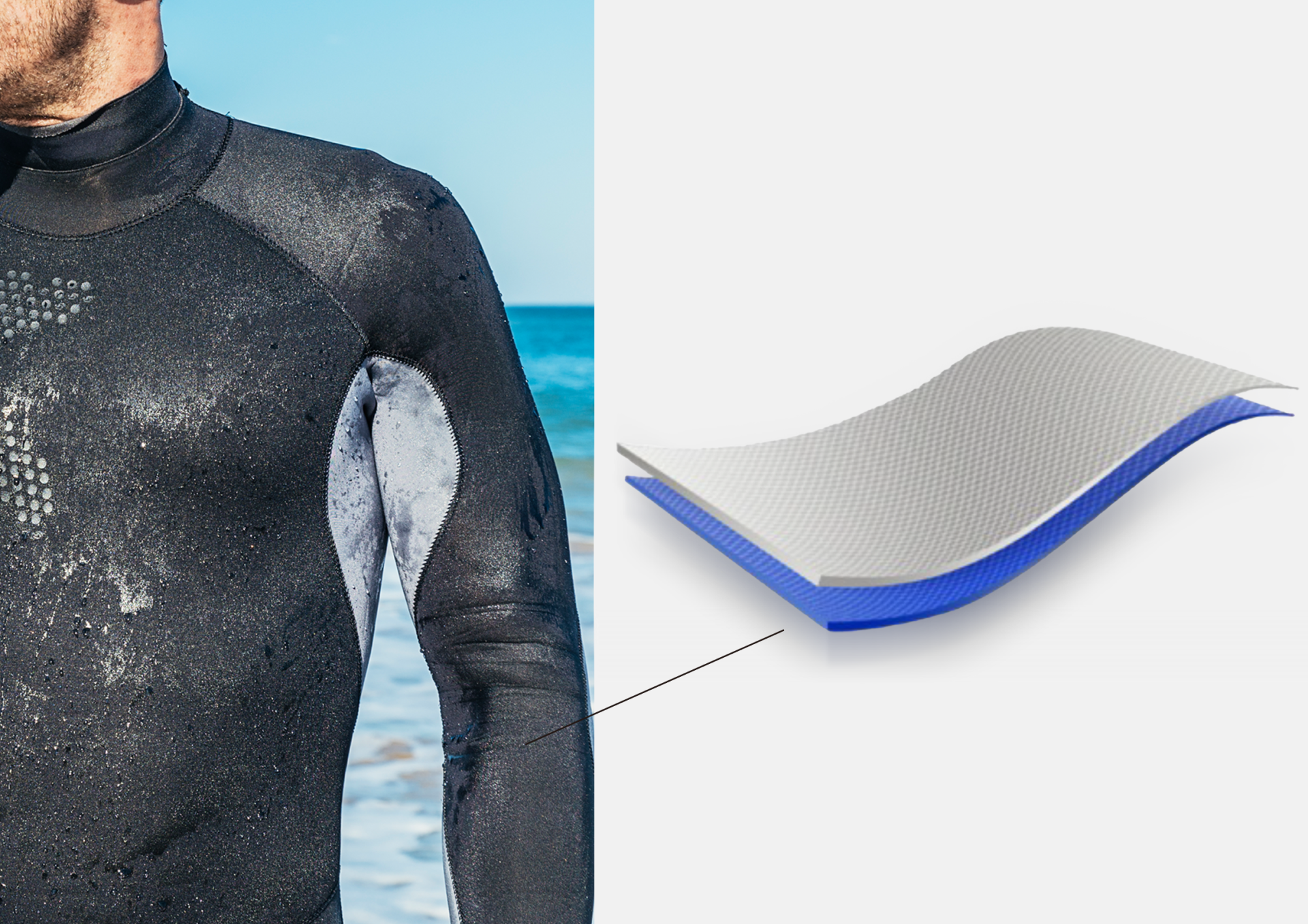
When these low thermal conductivity materials are applied to fibers, they can reduce heat or temperature transfer through fibers and textiles, thereby improving thermal insulation performance.
2.Thermal Conductivity of High Thermal Insulation Fiber Fabrics
Thermal conductivity is a measurement used to evaluate a material’s ability to conduct heat. It indicates how much heat can pass through a material per unit area and per unit time during heat transfer. The unit of thermal conductivity is W/(m·K).
The higher the thermal conductivity, the better the material is at conducting heat, meaning heat can be transferred or dissipated more quickly.
In contrast, materials with lower thermal conductivity provide better insulation performance because they can block heat transfer and effectively reduce heat loss. This makes them suitable for thermal insulation and insulating material applications.
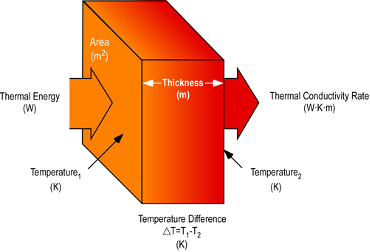
▲ Reference image from the internet
Through its independently developed dispersion technology, KCI processes low thermal conductivity materials into functional masterbatch for fiber applications. These masterbatches can be used in polyester fibers, nylon fibers, and other textile materials.
When 5–10% high thermal insulation masterbatch is added to fiber spinning raw materials, the produced fibers contain low thermal conductivity materials and can effectively reduce the thermal conductivity of the fibers. Once these fibers are woven or processed into fabrics, the overall thermal insulation performance of the fabric can be significantly improved.
High thermal insulation fabric thermal conductivity test:
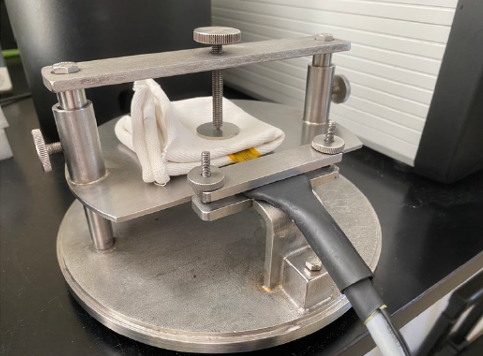
| Thermal conductivity of high thermal insulation polyester fabric: 0.0872 W/mK |
Table: Thermal conductivity of common textile materials
| Textile Fiber | Thermal Conductivity (W/mK) |
| Nylon | 0.171 |
| Polyester | 0.157 |
| Polypropylene | 0.111 |
| Rayon | 0.237 |
| Cotton | 0.243 |
| Flax | 0.344 |
| Wool | 0.165 |
| Silk | 0.118 |
Note: The thermal conductivity of air is 0.026 W/mK.
3.Application Fields of High Thermal Insulation Fibers
- Protective clothing: High thermal insulation fibers can be used to manufacture heat-protective apparel with excellent insulation performance, such as fire-resistant clothing, high-temperature workwear, and thermal jackets. The low thermal conductivity of the fibers helps these garments effectively block heat transfer and provide better protection.
- Sports and outdoor apparel: High thermal insulation fibers can be applied to sports and outdoor clothing to provide lightweight and thermal retention functions. These garments can offer additional warmth in cold environments while maintaining comfort and lightness.
- Thermal insulation materials: High thermal insulation fibers can be used to produce insulation materials such as insulation pads, thermal curtains, and thermal window coverings. These materials can effectively reduce heat loss, lower air-conditioning usage, improve energy efficiency in buildings and vehicles, and support energy-saving and low-carbon goals.
- Military applications: High thermal insulation fibers can be used in military applications, such as tactical apparel and protective materials. These fibers provide additional protection and insulation performance, improving safety and comfort for soldiers in extreme environments.